

Advancing your radiochemical and radiopharmaceutical innovations from concept to clinic
Equipment Design
& Engineering
Innovative equipment for radiopharmaceutical processes.
Efficient and reliable processes for radiopharmaceutical processes.
Expert validation services for radiopharmaceutical processes.
Process Development
& Automation
Commissioning, Validation
& Documentation
Image credit: NRG / VUmc
CMC & QA services
Broad spectrum of CMC services, from equipment and process design, to technology transfer and manufacturing support for clinical trials.
FutureChemistry at EANM 2025 - Let's connect in Barcelona!
We're excited to announce that FutureChemistry will be attending the European Association for Nuclear Medicine (EANM) conference 2025 in Barcelona!
Our team is looking forward to engaging with fellow experts in radiochemistry, radioisotope production and radiopharmaceutical development.
Will you also attend EANM? Let's connect! We'd love to hear what you're working on, exchange thoughts on radiopharmaceuticals, or simply get to know each other over a coffee.
Feel free to connect and schedule a meeting in advance.
Services
From designing, building and validating radionuclide production methods all the way to supporting quality compliant manufacturing for clinical trials
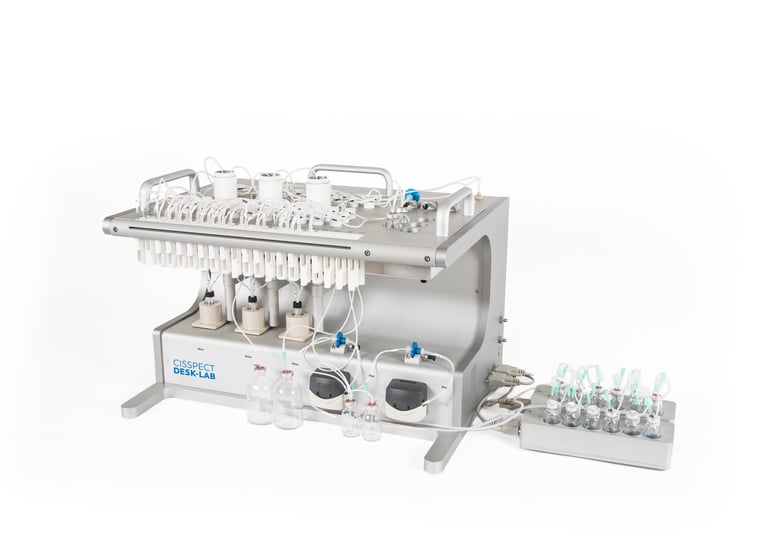
Equipment Design and Engineering
Process Development
and AutomationCommissioning, Validation and Documentation
CMC & QA Services

Subscribe for company updates
No spam. Just major company announcements.
Radiochemistry
Services
FutureChemistry offers consultancy specializing in designing and building equipment, and validating processes in the radiopharmaceutical industry.
We pride ourselves on offering custom solutions, without any claims on the developed intellectual property and independent from equipment manufacturers.
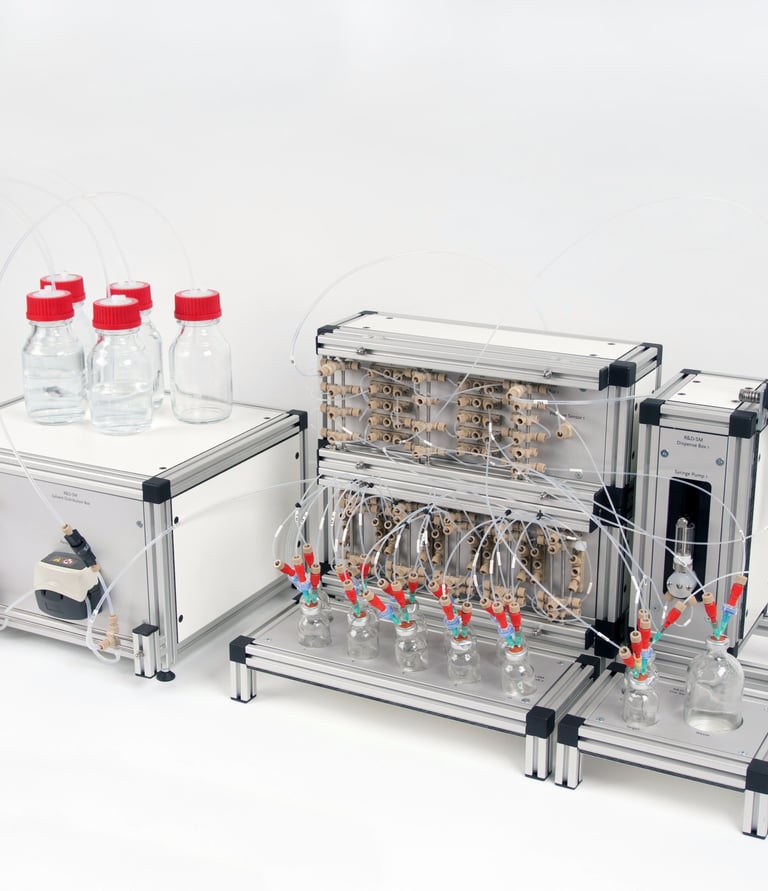
© 2025. All rights reserved.
FutureChemistry is a boutique consultancy, specializing in developing equipment, processes and quality strategies in the radiopharmaceutical industry.
Download our Quality Policy here.